What's Your GLP-1 Struggle Today?
Common side effects of GLP-1, GIP, or glucagon agonist medications, and how food, supplements, and habits can help. Constipation, nausea, fatigue: nutrition and supplement tips. When side effects are normal — and when to talk to your clinician.
Educational purposes only. This information is not a substitute for personalized medical or nutrition advice. Always consult your clinician before starting any supplement or changing your diet.
GLP Wow may earn a small commission from purchases made through links on this page, at no extra cost to you. This does not influence our recommendations.
Barely Eating
A sharply reduced appetite is one of the most common — and sometimes overlooked — effects of GLP-1 medications. While eating less is the goal, eating too little can drain your energy, weaken your muscle, and stall your progress.

The Risk of Over-Suppression
GLP-1 medications work directly on the hunger centers in your brain, and they also slow gastric emptying — meaning the rate at which food leaves your stomach and moves into the rest of your digestive tract. For many people, that's exactly the help they need, but there's a real tipping point where appetite gets so quiet that eating enough becomes genuinely difficult. When calories and protein stay too low for too long, your body starts breaking down lean muscle — the tissue that powers your movement and strength — for energy. Your resting metabolism, meaning the number of calories your body burns just to stay alive while you're sitting still, slows down to protect itself, and you may notice lingering fatigue, hair shedding, dizziness, or trouble focusing. That state of under-fueling can quietly work against the very health goals the medication is meant to support.
A Practical Framework for Eating Enough
The key is shifting from 'eating when you feel hungry' to 'eating on a schedule,' because your natural appetite signals are too quiet to rely on right now. Protein is the main building block your body uses to hold onto muscle and strength while you lose weight, and when you're eating less, it's the nutrient most likely to fall short. Clinicians often suggest structuring 3 small meals and 2 snacks spaced evenly through the day — even when hunger is completely absent — so you get a steady intake of protein (aiming for 60–90 grams daily as a general starting point — individual needs vary, and those with kidney disease or other conditions should get a personalized target from their clinician), fluids, and essential micronutrients (meaning the small amounts of vitamins and minerals your body needs to keep its systems running). Liquid nutrition — protein shakes, smoothies, and Greek yogurt — is often easier to tolerate than solid food when your appetite is very low, which makes it a practical way to hit that protein number without forcing down big meals. Pairing this approach with a daily multivitamin helps close the micronutrient gaps that almost always show up when you're eating less than usual.
Nausea & Vomiting
The most reported GLP-1 side effect — especially in the first weeks after a dose increase. There are real, practical ways to manage it so it doesn't derail your day.

There's solid research showing that pairing ginger with Vitamin B6 (also called pyridoxine) works better at calming your stomach and easing nausea than using either one by itself. Studies from double-blind trials — meaning neither the researchers nor the participants knew who was getting the real treatment versus a placebo (a dummy pill with no active ingredient) — suggest this combo can be nearly as effective as standard prescription anti-nausea medications, with a real drop in both nausea scores and how often people actually vomited. For those who want to try it, some clinicians suggest a starting point of 250 milligrams of ginger up to four times a day, paired with 10–25 milligrams of Vitamin B6 taken up to three times a day, making sure your total B6 for the day doesn't go over 100 milligrams so you don't risk irritating your nerves. Ranges vary by individual — discuss with your care team before starting any supplement routine.
Beyond what's happening in your stomach, it helps to know that GLP-1 nausea is also triggered by the medication directly switching on receptors in a part of your brain called the area postrema — that's the control center that triggers the vomiting reflex. To help calm those signals, peppermint leaf (in tea or candies) works as a natural antispasmodic, meaning it helps relax the muscles in your digestive tract and can ease the cramping or gas that often comes along with the nausea. And because everyone's sensitivity to these brain signals is a little different, keeping a simple food and symptom diary can help you spot and avoid your own personal triggers — things like strong food smells or stressful moments — that might be making your symptoms worse.
Constipation
Slowed digestion is a direct side effect of GLP-1 medications. Most people experience some degree of constipation — especially early on. It's manageable with the right habits and supplements.
The Risk of Bowel Obstruction and Ileus
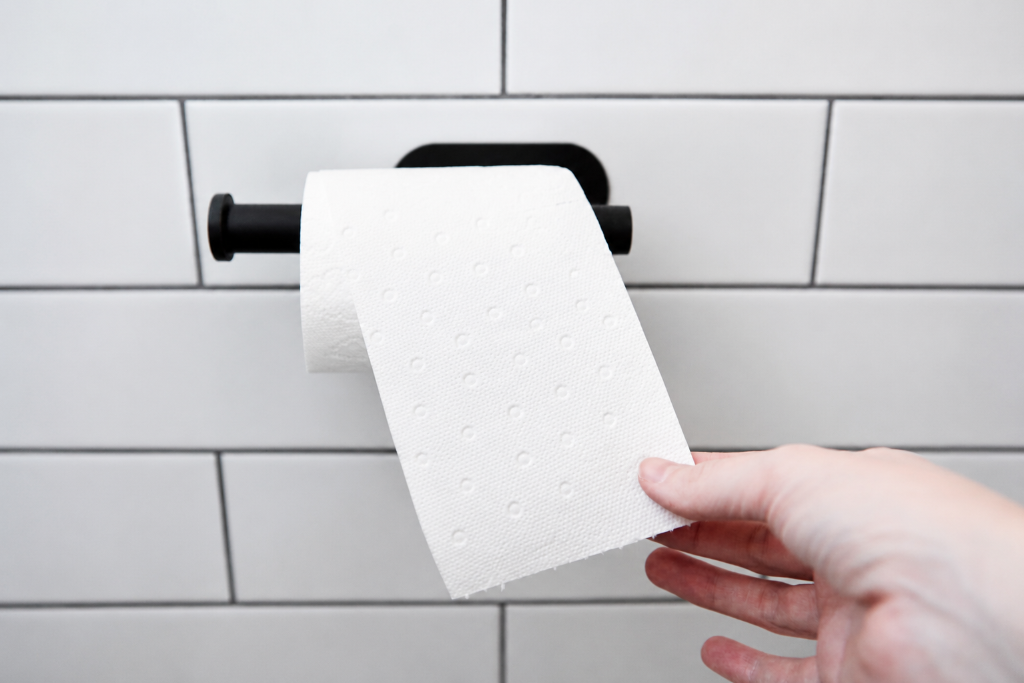
While constipation is common on GLP-1s, it needs to be watched closely so it doesn't turn into something more serious — like an ileus (meaning the muscles in your intestines stop moving things along) or a full bowel obstruction (a complete blockage in your digestive tract). These complications are serious enough that the FDA recently updated warning labels for medications like Ozempic to make people aware of the risk. It's critical to get medical help right away if your constipation comes with severe abdominal pain, persistent vomiting, or an inability to pass gas — these are "red flag" symptoms of a potentially life-threatening blockage that may require surgery. The risk is higher because GLP-1 medications can disrupt something called the migrating motor complex, or MMC — that's your gut's internal "housekeeping" cycle, a wave-like muscle movement that sweeps leftover waste through your intestines between meals. When that cycle gets disrupted, stools sit longer in your digestive tract, dry out, and can become physically stuck.
Medication Timing and Anatomical Positioning
To get the most out of your prevention routine, try using a footstool during bowel movements to get into a squatting position — this helps straighten out the anorectal angle (meaning the natural bend between your rectum and the opening where stool exits), so things pass more easily without straining. It's also important to pay attention to timing with your supplements: fiber supplements should be taken at least 2 hours apart from any other oral medications, because fiber can act like a sponge and interfere with how well your body absorbs your prescriptions. If you're taking oral semaglutide (brand name Rybelsus), clinicians recommend waiting at least 30 minutes after your dose before taking osmotic laxatives like MiraLAX — an osmotic laxative is a gentle type of medicine that works by drawing water into your intestines to soften the stool rather than forcing the muscles to squeeze. Waiting that 30 minutes makes sure your main medication is fully absorbed before the laxative starts pulling water into your system.
Fatigue & Low Energy
Feeling drained on a GLP-1 is often a nutrition problem, not a medication problem. Low calorie intake, dehydration, and nutrient gaps are the most common culprits — and all fixable.

The Muscle-Metabolism Connection
Beyond simple calorie math, a lot of the deep fatigue people feel on GLP-1s actually comes from losing lean muscle — the kind of tissue that powers your movement and strength — which can make up anywhere from 25% to 50% of your total weight loss if you aren't actively protecting it. That matters because muscle is your body's main "metabolic engine," meaning it's the tissue that burns calories for you around the clock just to keep you alive; when you lose it, your resting metabolic rate (the number of calories your body burns while sitting still) drops, leaving you in a state of physical fragility that often feels like a total collapse of motivation or like you've hit an "invisible wall" during everyday tasks. To reverse this metabolic slowdown, experts strongly recommend that resistance training — any exercise where your muscles work against weight or resistance, like lifting weights, using bands, or doing bodyweight movements — is one of the most important priorities for most people. Doing strength-focused sessions two to three times a week gives your body the mechanical signal it needs to hold onto muscle and keep your baseline energy steady. Discuss with your care team if you have joint pain, mobility concerns, or other conditions before starting a new exercise routine.
The Thiamine "Red Flag" for Neurological Safety
A critical safety priority for anyone feeling extreme fatigue is the risk of a thiamine deficiency — thiamine is vitamin B1, a nutrient your brain needs to turn food into energy. If it gets too low, it can escalate into a serious condition called Wernicke's encephalopathy, which is a neurological condition (meaning it affects your brain and nervous system) that can cause confusion, balance problems, and vision changes. This risk is significantly higher if you're dealing with persistent vomiting or rapid weight loss exceeding 1.5% of your body weight per week, because both of these stressors drain your thiamine stores quickly. You should seek immediate medical evaluation if your fatigue comes with neurological "red flags" like confusion, trouble with balance, or vision changes (such as uncontrolled eye movements) — failing to treat this deficiency quickly with professional help can lead to permanent brain damage.
Muscle Loss
Rapid weight loss on GLP-1s often includes muscle — not just fat. This is one of the most important and underappreciated risks of the medication, and it's largely preventable.

Risk Factors and Functional Vulnerability
While muscle loss is a general risk, clinical data shows that people who start GLP-1 therapy already dealing with joint or muscle pain — like knee or back pain — are significantly more vulnerable to losing too much lean mass (meaning the muscle tissue your body uses for movement and strength). Losing that functional tissue isn't just a change in your body composition (the ratio of muscle to fat in your body); it's strongly linked to reduced exercise tolerance (meaning you can't do as much physical activity before tiring) and a broader pattern of physical vulnerability, including a higher risk of falls and fractures. That's why monitoring functional cues — things like a sudden drop in your ability to climb stairs or a noticeable decline in your baseline strength (the strength you normally have on an average day) — is such a critical safety practice. These shifts often signal that muscle depletion is outpacing fat loss, potentially leading to sarcopenic obesity, which is a condition where you carry extra weight but have dangerously low muscle mass underneath.
Advanced Muscle Protection: HMB and Omega-3s
Beyond the foundation of protein and creatine, there's a specialized supplement called Beta-Hydroxy-Beta-Methylbutyrate, or HMB for short — it's a compound your body makes in tiny amounts from leucine (an amino acid, meaning one of the small building blocks your body strings together to make muscle). What makes HMB unique is that it works on two fronts at once: it stimulates muscle protein synthesis (the process your body uses to build new muscle tissue) and it inhibits (meaning slows down or blocks) the specific pathways that break muscle tissue down. Because your body only converts a small fraction of leucine into HMB naturally, a targeted daily dose of 3 grams is often recommended to help maintain a favorable environment for muscle turnover (the ongoing cycle of breaking down and rebuilding muscle) during a deep calorie deficit — meaning you're eating far fewer calories than your body burns. Furthermore, daily supplementation with Omega-3 fatty acids (fish oil) provides essential anti-inflammatory support — inflammation is your body's stress response, and Omega-3s help calm it — that can slow the decline of muscle volume and function, offering a valuable layer of protection for your metabolic engine (meaning the muscle that burns calories for you around the clock) during rapid weight reduction.
Hair Issues
Hair shedding on GLP-1s is common, temporary, and largely related to rapid weight loss and nutritional gaps. It almost always improves.

The "Cliff Effect" and Gender Disparity
Clinical data shows that the speed of your weight loss is the strongest predictor of shedding; patients losing more than 1.5% of their total body weight per week show twice the incidence of telogen effluvium — that's a temporary hair-loss condition where your hair follicles (the small sacs in your scalp that each grow a single hair) enter a resting phase too early in response to physical stress — compared to those on a more gradual path. Furthermore, research suggests that women are twice as likely as men to be diagnosed with a hair loss condition while on GLP-1 therapy, likely because female follicles are more sensitive to the rapid shifts in hormones like cortisol (your body's main stress hormone, meaning a chemical messenger that helps your body respond to stress) and leptin (a hormone that regulates hunger and energy, meaning it tells your brain how much stored energy you have) that occur during deep calorie deficits — meaning you're eating far fewer calories than your body burns. To avoid this "cliff effect," clinicians often recommend moderating your dose titration (the gradual step-up of your medication amount over time) to maintain a steady weight loss of 0.5–1% weekly, which significantly reduces the metabolic stress that triggers the shedding phase.
Advanced Interventions and Lab Cautions
For those seeking active regrowth support, topical minoxidil 5% is the only FDA-approved medication proven to stimulate hair follicles by prolonging the anagen (growth) phase of the hair cycle — meaning the part of the cycle when your hair is actively growing, as opposed to the resting phase when it sits dormant before falling out. While many users supplement with biotin (a B vitamin often marketed for hair and nail health), it is critical to understand that high doses of this vitamin can interfere with vital blood tests, including thyroid function and troponin (a protein in your blood that doctors use as a key heart-attack marker — meaning its presence can signal heart muscle damage); it must be discontinued at least 72 hours before any blood work so your results are accurate. If shedding becomes psychologically intolerable, you might discuss switching to dulaglutide with your clinician, as pharmacovigilance data (meaning the ongoing monitoring of medication side effects reported after a drug is on the market) shows it has a lower reported incidence of alopecia (the medical term for hair loss) due to its more moderate weight-loss profile compared to higher-potency agonists (meaning other GLP-1 medications that cause more aggressive weight loss).
GI Discomfort & Bloating
Gas, bloating, and general GI discomfort are common as your digestive system adapts to slowed gastric emptying. Most cases resolve with diet adjustments and patience.

The Risk of SIBO and Nutrient Malabsorption
Beyond general gas, the significant slowing of your intestinal motility — meaning the wave-like muscle movements that push food through your gut — can sometimes trigger Small Intestinal Bacterial Overgrowth, or SIBO for short; that's a condition where bacteria that normally live farther down multiply out of control in your small intestine, the upper stretch of your digestive tract where most of your food gets absorbed. SIBO is particularly problematic because it doesn't just cause intense, persistent bloating — it can also get in the way of your body absorbing essential nutrients and vitamins from the food you eat. To help prevent this overgrowth and keep your digestion on track, clinical data suggests that probiotics (meaning supplements containing live helpful bacteria) that specifically include Lactobacillus or Bifidobacterium species (two types of bacteria known to support a balanced gut) may help maintain microflora balance — meaning the natural mix of good and bad bacteria in your intestines — and may reduce transit-time related issues.
Gastroparesis and Electrolyte Hydration Pitfalls
It's also important to tell the difference between ordinary discomfort and gastroparesis — a more serious condition where the muscles in your stomach wall become too weak to push food out into the rest of your digestive tract, so emptying is severely delayed and the vagus nerve (the main nerve that controls those stomach muscles, meaning the pathway that carries signals between your brain and your gut) can potentially be affected. While staying hydrated is a genuine priority, be aware that loading up on excessive amounts of electrolytes (meaning minerals like sodium and potassium that help your body manage fluid) from popular hydration drinks can ironically worsen bloating by pulling water into your stomach and away from your muscles and skin. Sticking closely to your clinician's gradual dose escalation schedule (meaning the slow step-up of your medication amount over time) is the main way to lower these risks, because it lets your body undergo tachyphylaxis — a process where your digestive system gradually gets used to the medication's motility-slowing effects (meaning its tendency to put the brakes on those wave-like muscle movements that move food along).
Dose Day Management
Injection day — and the 24–48 hours that follow — is often the hardest part of the GLP-1 experience. Having a dose-day protocol makes it predictable and manageable.
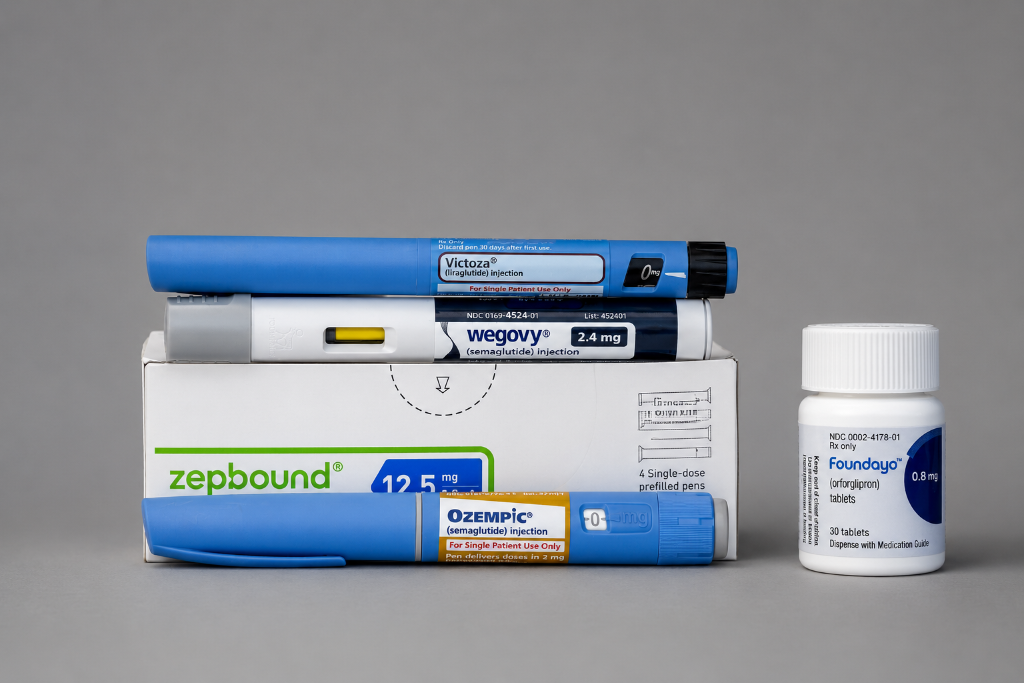
Keep in mind that every person responds differently, and it's important to follow the instructions provided with your specific medication and your healthcare provider's recommendations.
Optimal Injection Technique and Equipment Preparation
Using proper injection technique (meaning the way you position the needle, pinch your skin, and hold the pen) can help reduce discomfort and make sure your medication is delivered correctly. Many people find that letting their injection pen sit at room temperature for several minutes before use makes the injection feel more comfortable, since cold medication can sting more. Always follow the storage and handling instructions provided by the manufacturer of your medication. If you clean the injection site with an alcohol swab (a small wipe soaked in rubbing alcohol), let the skin dry completely before injecting — injecting through wet alcohol may increase stinging. Injection techniques vary slightly depending on the medication and device, so follow the manufacturer's Instructions for Use regarding needle angle (meaning how steeply you hold the pen against your skin), skin pinching (gently squeezing a fold of skin to give the needle a softer target), and how long to hold the pen in place after the dose is delivered. Pulling the pen away too quickly may cause medication to leak from the injection site.
The Importance of Site Rotation
Most GLP-1 medications can be injected into the abdomen (your belly area), thigh, or back of the upper arm. Regularly rotating injection sites — meaning switching to a different spot each time rather than reusing the same one — is widely recommended to help reduce skin irritation and keep the tissue underneath healthy. When injecting into the abdomen, manufacturers generally recommend avoiding the area immediately surrounding the belly button. Instead of repeatedly using the exact same location, rotate to a different nearby site with each injection. Many people find it helpful to alternate between different areas of the abdomen, or between the abdomen and thigh. If you notice persistent lumps, thickened skin, unusual pain, or recurring irritation at an injection site, stop using that area and talk it over with your healthcare provider.
Educational Information: This guide is intended for educational purposes only and is not a substitute for professional medical advice. Always follow the prescribing information and Instructions for Use for your specific GLP-1 medication, and consult your healthcare provider before making changes to your treatment plan.
Heartburn & Acid Reflux
Heartburn and acid reflux are a frequent part of adjusting to a GLP-1, and the burning can catch you off guard — but small habit changes can keep the "fire" at bay.

Heartburn on a GLP-1 isn't just about what you eat; it's largely about how long that food stays put. Because these medications slow gastric emptying — meaning the speed at which your stomach moves food down into your small intestine — the acids your body makes for digestion hang around longer and can splash back up into your esophagus (the tube connecting your throat to your stomach). That backup is what produces the familiar burning sensation doctors call GERD, or Gastroesophageal Reflux Disease — a condition where stomach acid repeatedly flows up where it doesn't belong.
The "Traffic Jam" Effect
When you take a GLP-1, your stomach acts like a highway under construction. Food that used to move through in an hour might now take four, so a standard-sized meal adds more cars to an already jammed road. That extra volume presses upward against your lower esophageal sphincter — the valve at the top of your stomach that's supposed to keep acid from escaping — and pushes acid back up. It's not necessarily a sign of a "bad" meal choice; it's a sign your body needs a new "traffic" management plan.
Curated Nutrient Collections
Curated lists of supplements and nutrients to help you with your GLP-1 struggle. Stop guessing and start with what's been put together for you. Supplements made easy for people on GLP-1 and incretin-based weight-loss and diabetes drugs like Ozempic, Wegovy, Mounjaro, Zepbound, and Retatrutide.
Browse All CollectionsInsights on These Side Effects
The Shedding Phase: Understanding Hair Thinning on Your GLP-1 Journey
Noticing more hair in your brush? Learn why temporary shedding happens during rapid weight loss and how to support your hair's natural regrowth cycle.
Read side effectsReclaiming Your Spark: Navigating Fatigue on Your GLP-1 Journey
Feeling a bit wiped out lately? We explore why GLP-1 medications can sometimes lead to fatigue and share practical, gentle ways to boost your energy levels throughout the week.
Read nutritionThe Protein-First Strategy: Protecting Your Muscle on a GLP-1
When your appetite shifts on a GLP-1, every bite counts; here is why prioritizing protein is your best tool for maintaining strength and metabolic health.
Read